In the realm of international politics, cultural conflict is a complex and profound topic. It not only involves diplomatic relations between nations but also profoundly impacts international peace and stability.Cultural conflict is a common phenomenon in the process of globalization. When different cultures come into contact, contradictions and confrontations easily arise. However, conflict does not necessarily lead to division; it can also be an opportunity for cultural integration and innovation. Historically and in social practice, intercultural exchange and mutual learning often promote mutual understanding, form new cultural forms, and thus strengthen unity.
Sociological theory provides us with rich perspectives and methods to analyze cultural conflict and integration into social change. In the context of globalization, contact and exchange between different cultures are becoming increasingly frequent, leading to both cultural conflict and the process of cultural integration.
The Concepts of Cultural Conflict and Integration:
Cultural conflict refers to the contradictions and antagonisms between different cultures in terms of values, customs, and beliefs. Under the wave of globalization, contact and exchange between different cultures are becoming increasingly frequent, and cultural conflict follows. For example, Western culture emphasizes individualism and freedom, while Eastern culture focuses on collectivism and traditional values; this difference in values often leads to cultural conflict. Cultural conflict is not only reflected in relations between nations but also exists at all levels of society, such as families, organizations, and communities.
The existence of cultural conflict brings instability to society, requiring resolution through cultural integration. Cultural integration refers to the process by which different cultures merge, exchange ideas, and learn from each other, ultimately forming new cultural forms. Cultural integration is not simply the superposition of two cultures, but rather the mutual exchange and fusion of their respective characteristics to form new cultural forms. Cultural integration not only promotes cultural development and prosperity but also facilitates harmonious coexistence among different cultures. For example, the United States, as a nation of immigrants, has witnessed the fusion and exchange of various cultures, resulting in its multicultural character. This integration has not only enriched America's cultural heritage but also promoted social development and progress.
Sociological Analysis of Cultural Conflict and Integration
Conflict Theory
Conflict theory emphasizes the impact of conflicts and struggles between different groups in society on cultural change. This theoretical perspective argues that cultural conflict is the result of power struggles between different groups in society. For example, historical events such as the Crusades and the partition of India and Pakistan are direct manifestations of religious conflict. The rise of nationalist sentiment is often accompanied by the rejection of other ethnic groups or cultures, such as the persecution of Jews by Nazi Germany in the 20th century. These conflicts not only affect international relations but also have a profound impact on social structures and cultural forms.
Functionalist Theory
Functionalist theory posits that cultural conflict manifests as dysfunction within a social system, while cultural integration represents a process of self-adjustment and restoration of balance. Cultural integration, by consolidating different cultural elements, meets the needs of society's members, promoting social integration and stability. For example, in marriage, when two people from different cultural backgrounds marry, their marriage customs, family values, and beliefs may clash. However, over time, the couple can become more tolerant of each other, gradually forming a new cultural fusion. This fusion not only enriches family culture but also promotes social harmony and stability.
Symbolic Interactionism
Symbolic interactionism emphasizes the interactive process between individuals and society. This theoretical perspective argues that individual behavior and thinking are largely influenced by their social environment, and that social changes lead to cultural transformation. In the context of globalization, increasingly frequent contact and exchange between different cultures promote the dissemination and interaction of cultural symbols. For example, English, as an international language, facilitates the exchange and integration of different cultures globally. This symbolic interaction not only changes people's language habits but also influences their ways of thinking and values.
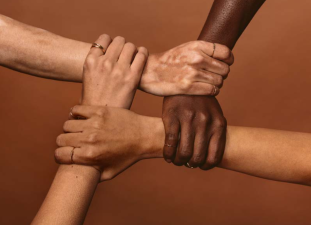
Specific Examples of Cultural Conflict and Integration
Immigration and Integration
In the context of globalization, immigration is becoming increasingly common. Immigrants bring their culture, values, and customs to new countries or regions, gradually integrating through clashes with local cultures. For example, Chinese immigrants opening Chinese restaurants in the United States have blended Chinese and Western culinary cultures, creating unique Chinese cuisine. This fusion of food cultures has not only enriched the American restaurant market but also promoted cultural exchange and understanding between China and the United States.
Religion and Integration
Different religions have different beliefs, rituals, and values. When followers of different religions meet, their cultures may clash. However, through dialogue and mutual understanding, followers of different religions can achieve cultural integration. For example, the integration of Christianity and Buddhism in Southeast Asian countries has created unique cultural landscapes and values. This integration of religious cultures has not only enriched the local cultural heritage but also promoted harmonious coexistence among followers of different religions.
Marriage and Integration
Marriage is an important area where conflict and integration frequently occur between different cultures. When two people from different cultural backgrounds marry, their marriage customs, family concepts, and values may clash. However, over time, couples can become more tolerant of each other, gradually forming a new cultural fusion.
Food and Fusion Different regions and countries have different dietary habits and ingredients.
When different cultural dietary habits meet, conflicts may occur. However, through the innovation of chefs and the acceptance of the public, different cultural cuisines can be fused into new delicacies. For example, Japanese sushi and American hamburgers combine Eastern and Western ingredients and cooking methods. This fusion of food cultures not only enriches people's taste experiences but also promotes exchange and integration between different cultures.
Social Impacts of Cultural Conflict and Fusion
Impact on International Relations Cultural conflict and fusion have a profound impact on international relations.
Conflicts between different cultures can lead to the escalation of international tensions and even war. For example, historical religious wars and nationalist conflicts have often been accompanied by tensions in international relations. Cultural fusion, on the other hand, helps to ease international tensions and promote peace and cooperation between countries. For example, through cultural exchange activities, different countries can enhance mutual understanding and trust, thereby promoting the harmonious development of international relations.
Impact on Social Stability
Cultural conflict introduces instability into society, requiring cultural integration to resolve. Cultural integration helps reduce misunderstandings and prejudices, alleviating or even resolving cultural conflicts. For example, in a multicultural society, groups from different cultural backgrounds can foster a harmonious social atmosphere through mutual understanding and respect. This atmosphere helps reduce social contradictions and conflicts, maintaining social stability and harmony.
Impact on Cultural Innovation
Cultural conflict and integration provide impetus for cultural innovation. In the context of globalization, contact and exchange between different cultures promote the collision and integration of cultural elements, providing rich materials and inspiration for cultural innovation. For example, cross-cultural cooperation has become a trend in music, art, and fashion. This cooperation not only enriches the content and form of cultural products but also promotes the innovation and development of the cultural industry.
Conclusion
Cultural conflict and integration are unavoidable phenomena in the context of globalization. The relationship between them is complex and subtle, involving both opposition and unity. Understanding this relationship is crucial for promoting international relations, maintaining social stability, and driving cultural innovation.